Sergers guides
Sergers and serger supplies for clean, stretchy, store-bought seams.
 Serger rolled hem: the settings for your machine, straight from the manualsEvery serger rolls an edge the same way, but each maker gets there with a different lever and different numbers. Here they are side by side, plus thread, corners and the lettuce edge.
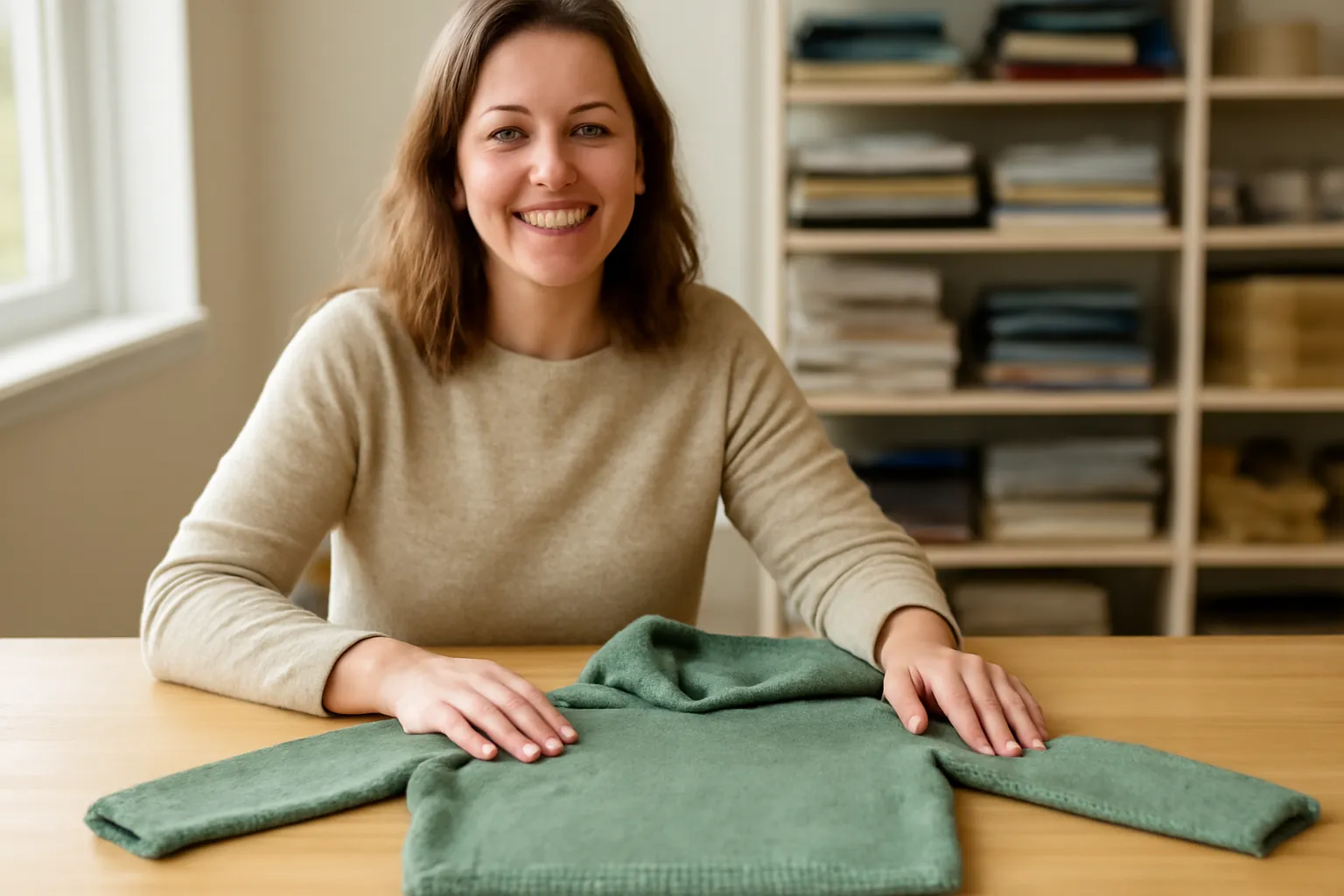 Juki MO-654DE review: the serger to buy when you've outgrown the basicsA 2/3/4-thread serger with a built-in rolled hem, a dedicated knife drive and a 1,500 stitch-per-minute top speed. Here's what the spec sheet means in use, where it beats the Brother 1034D, and who should save the money.
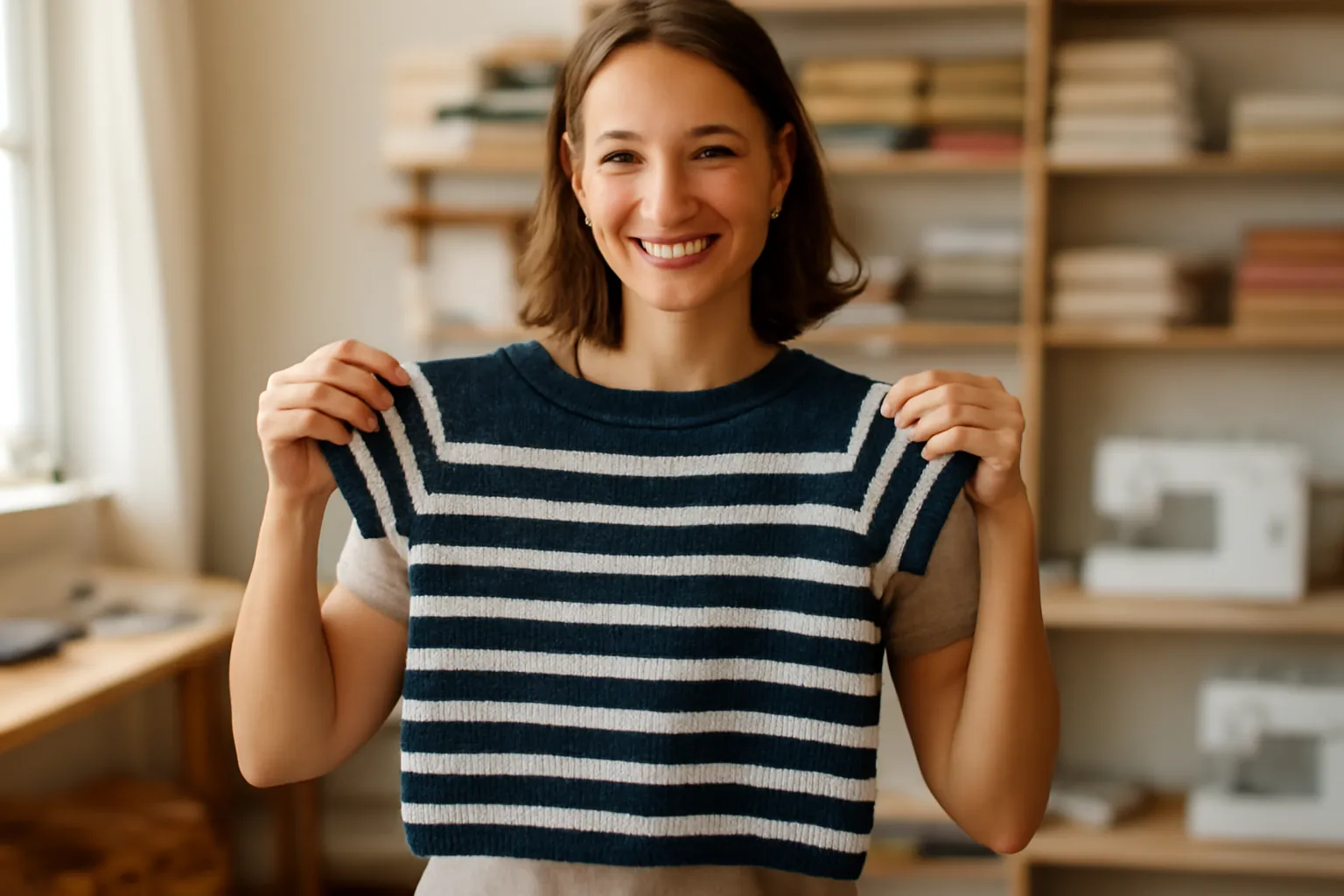 The best coverstitch machine for knit hems, and how to tell if you need oneA coverstitch machine sews the stretchy two- and three-line hem you see on store-bought T-shirts. Here are six worth buying, what narrow, wide and triple cover actually mean, and the twin-needle test to run first.
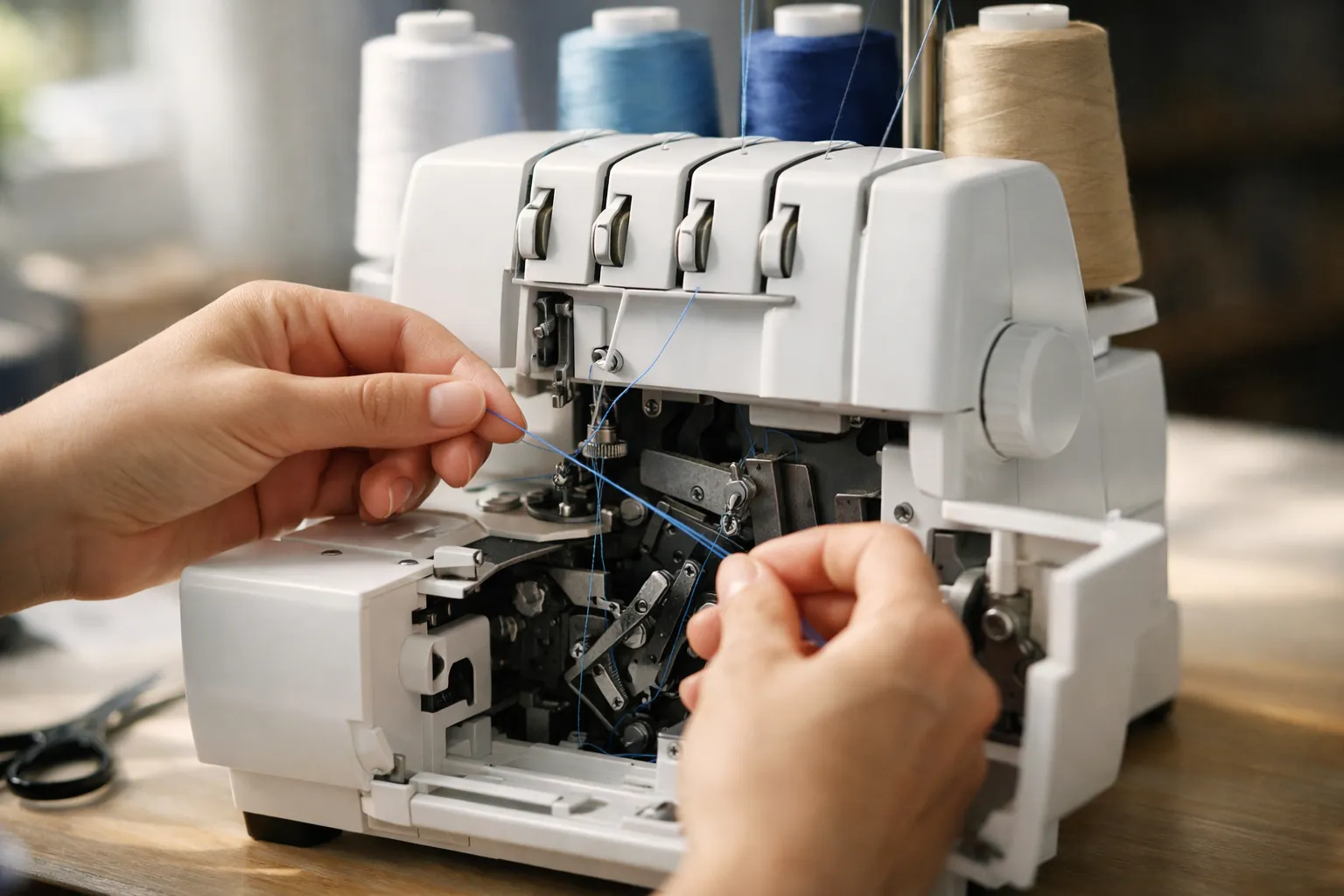 How to thread a Brother 1034D sergerLoopers first, needles last, every thread seated in its tension disc. Here's the order from Brother's own manuals, a diagram of the color codes, and the mistakes that get blamed on tension.
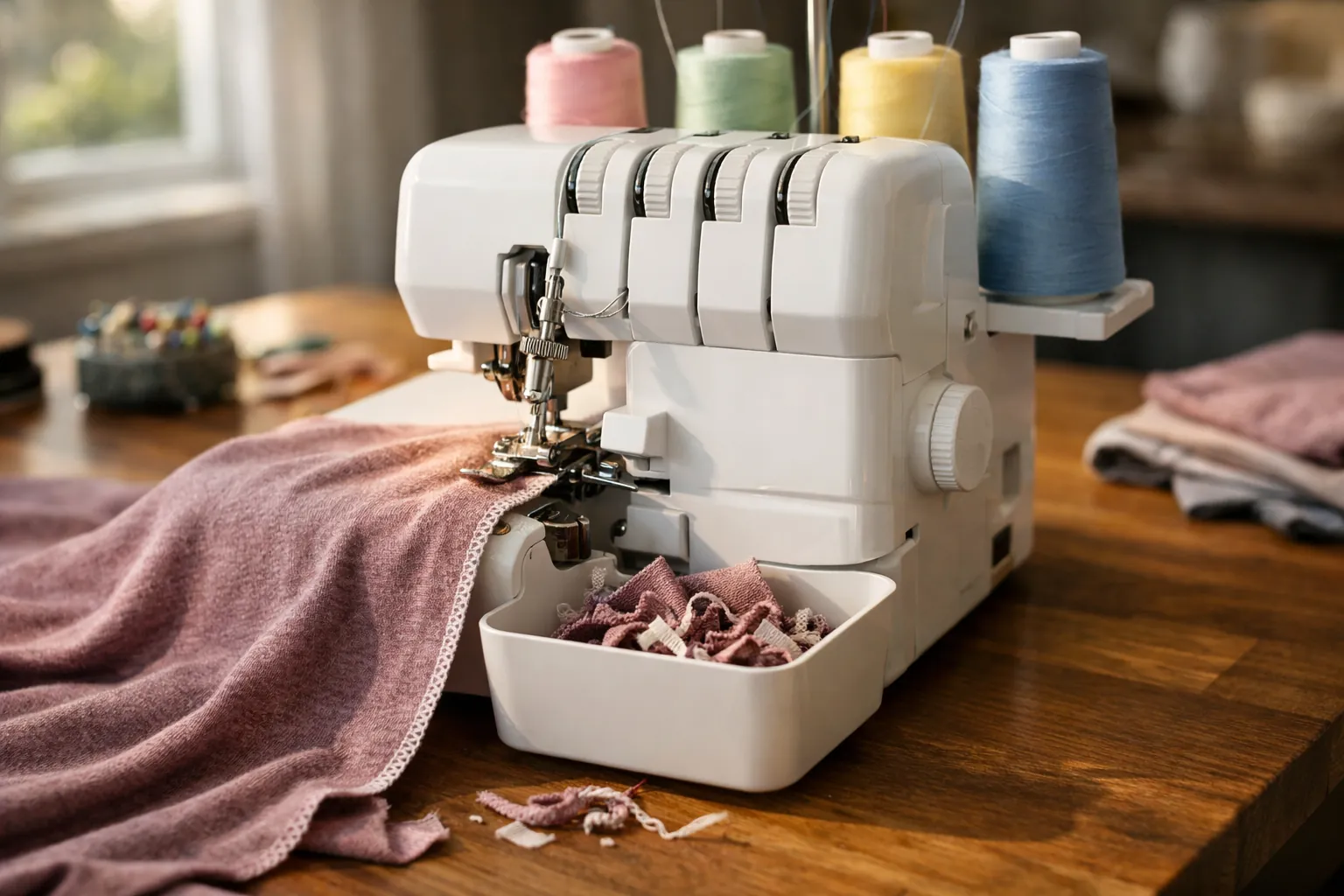 The best serger for beginners, judged on the thing that scares people: threadingEvery serger here trims and finishes a seam in one pass. A good first serger is the one that's easy to thread and forgiving on knits. Six picks, from Amazon's #1 seller up.
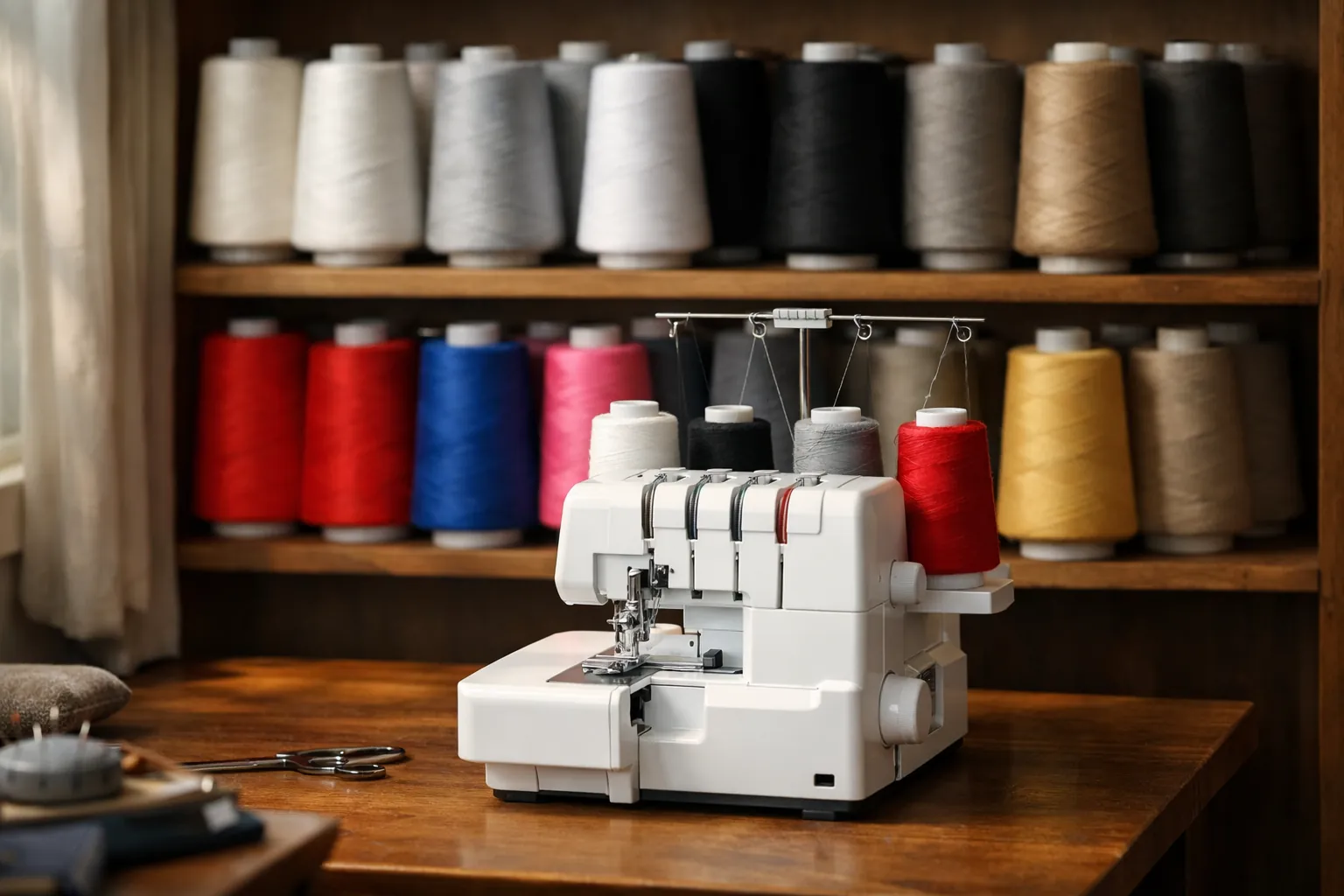 The best serger thread: what to buy, how much, and which colorsA 4-thread serger runs four cones at once, so thread is the consumable you'll buy most. Spun polyester in Tex 27 on large cones is the standard. Here's which packs are worth it.
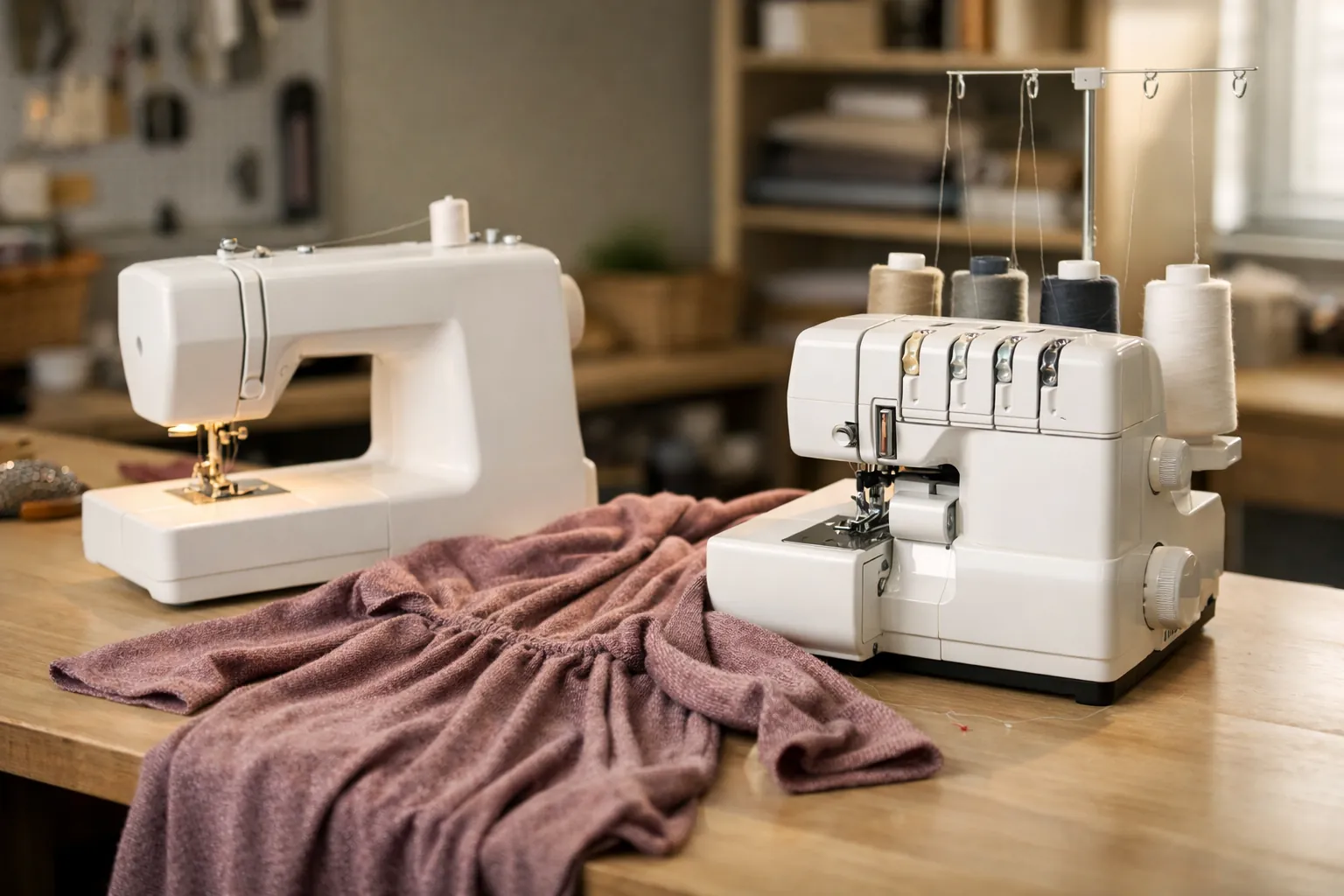 Sewing machine vs serger: what each does, and whether you need bothA sewing machine builds the garment; a serger finishes it. You can sew without a serger, but you can't sew a whole project with only a serger. Here's how to decide if the second machine is worth it.